

These numbers tell us that the used electric sector is no longer a niche. It’s increasingly mainstream. And fleet vehicles are a large and growing part of that supply.
1. Depreciation & Price Parity
Electric fleet cars are often “defleeted” after 3-4 years of leasing or operational use. At this point they may suffer sharper depreciation than similar internal combustion engine (ICE) cars — it creates opportunity. The purchase price falls; meanwhile, newer models have improved range and battery warranties, which raises buyer confidence.
Indeed, many used EVs are now nearing price parity with petrol or diesel equivalents—making them much more attractive to end buyers and increasing demand.

2. Growing Demand + Regulatory Tailwinds
• There is increasing demand from both private buyers and fleets for zero-emission used vehicles.
• Regulatory push: ZEV (Zero Emission Vehicle) mandates, tighter emission rules, and strong government incentives continue to favour EVs.
• Lower running costs (electricity vs fuel), lower tax/levy exposure in many regions, greater public awareness of sustainability.
3. Lower Operating & Maintenance Costs
Electric fleet cars have fewer moving parts than ICE vehicles. Some of the advantages:
• No oil changes
• No exhaust system, no diesel particulate filters, fewer cooling and emission-control components to fail
• No timing belts, fewer transmission parts (especially for BEVs)
• Regenerative braking reduces wear on brakes
These translate into less downtime, lower servicing cost, and improved total cost of ownership (TCO) for fleet operators—and when such used cars reach the resale market, they can come with better maintenance histories. For traders, that means less risk and better margins if the service history is good.

If you’re evaluating used electric fleet vehicles (or considering buying via used car auctions or via tender sales), here are critical factors:
|
Criteria |
Why It Matters |
How to Assess |
|
Battery health |
Battery is the most expensive part and degradation affects range & value |
Check mileage and maintenance records |
|
Range & usable capacity |
Buyers care not about headline km but real usable range under UK conditions (weather, heating) |
Use real-world stats; know the WLTP vs actual; test when possible |
|
Age & mileage |
Even EVs suffer wear on tyres, suspension, interior; high mileage on battery/cooling etc |
Compare cost vs expected resale; consider models with proven longevity |
|
Service and inspection history |
Used fleet cars frequently have full service history, sometimes independent inspections, which instills buyer confidence |
Ensure full documentation, check for past damage, accident history |
|
Charging infrastructure & incentives |
Buyers want ease of charging and lower cost of ownership; incentives for EVs improve resale attractiveness |
Know local government incentives; resale advantages in low-emission zones; any grants available |
Let’s go deeper—why EV fleet vehicles often win in terms of maintenance and operational risk:
• Simplified powertrain maintenance: Fewer moving parts → fewer points of failure. No gearbox in many BEVs, no complex emission systems.
• Cooling and battery management: Modern EVs have advanced cooling and thermal management systems; many leasing/fleet operators maintain these well.
• Lower servicing frequency: Brake pads, fluids, filters are needed less often.
• Software updates: Many EV manufacturers push updates over-the-air; this can fix performance issues, update efficiency, sometimes even improve range.
• Regulated returns / lease returns: Fleet-return EVs often must meet return conditions (battery capacity, condition), which means better upkeep.
All of this reduces risk for used car dealers: fewer “surprise” repairs, more predictable maintenance costs, and more satisfied buyers when reselling.
As someone operating in the used car wholesale, dealership, or auto professional sector, there are three main paths to buy used vehicles on platforms like Ayvens Carmarket.
- Bid manually or automatically online; highest valid offer wins.
- Advantage: potentially lower purchase price; access to more inventory.
- Closed offers: you bid in a private “sealed” manner; Ayvens Carmarket picks the best offer and awards the vehicle.
- Benefit: more negotiation leeway; better chance for sharper margin.
- Click to purchase instantly at a known price.
- Advantage: certainty; you can move quickly; easier estimation of yield and margin.
By combining these purchasing routes, you can build a portfolio of used electric fleet cars. For traders, mixing between auctions for bargains, private sales for margin, and fixed-price deals for fast turnover works well.

Used electric fleet cars are not without pitfalls. Here’s what you need to watch out for—and how to handle:
• Charging infrastructure concerns: Buyers will check local charging availability; ensure realistic expectations about home charging, public charging, costs.
• Depreciation volatility: As newer, more efficient EV models come on stream, older ones may lose value faster. Choose fleet models known to retain value
• Upfront investment in inspection & training: Evaluating EVs may require specialised inspection (battery, electric drive, cooling), and staff must know what to look for.
• Policy changes: Incentives, taxes, regulations can shift; watch for changes in VED, grants, emissions rules that could affect resale demand.
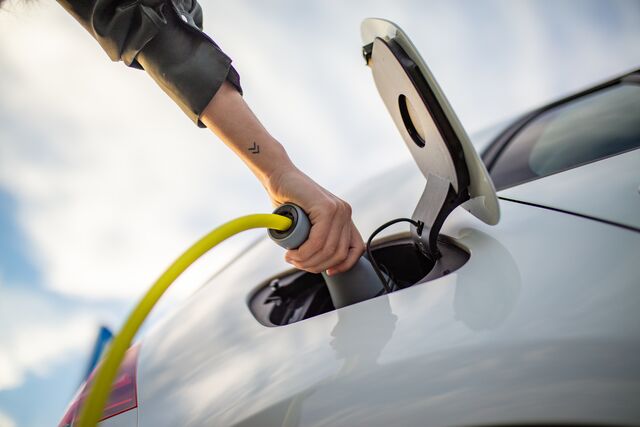
In mid-2024, a UK dealer acquired a batch of 50 used fleet electric cars, all lease returns after 3.5 years, with an average mileage of 45,000 miles. Due to early depreciation, the purchase price per unit was 20–30% lower than comparable internal combustion engine (ICE) models. The dealer invested in independent battery health checks, addressed minor software and cosmetic issues, and marketed the vehicles highlighting their full service history. Within six months, resale generated profit margins of 15–20% per unit, driven by buyers who valued low running costs and strong warranties. Running costs (maintenance plus charging) were approximately 40% lower than ICE equivalents over the ownership period, which helped convince buyers.
This illustrates the hidden potential: buying smart, inspecting rigorously, marketing correctly, knowing your audience
For automotive professionals looking to tap into the undervalued potential of used electric fleet vehicles, working with a specialist platform can make all the difference. Ayvens Carmarket offers:
• Strict sourcing: All vehicles are lease returns from Ayvens, a leader in global sustainable mobility, operating in 42 countries and managing over 3.40 million vehicles worldwide.
• Multiple purchase routes: Auction, private sales, fixed price. You choose the risk/reward profile that fits your strategy.
• Exclusive access: Only auto professionals (dealers/wholesale buyers) can buy through Ayvens Carmarket, ensuring that inventory and pricing are structured for trade-level buyers.
• Electric used car listings: A dedicated portfolio of used electric cars gives you the opportunity to pick models with known battery performance, rising demand, and resale potential.
Used electric fleet cars are far from being just another category of second-hand stock. They are hidden gems for traders and used-vehicle dealers: combining lower acquisition costs, decreasing running and maintenance costs, regulatory tailwinds, and growing buyer demand. The risk is real, but with sound evaluation (battery, history, range, condition), the margin opportunities are becoming too good to ignore.
If you’re an auto professional ready to capitalise on this shift, explore our current offerings. Browse auction, tender sales, and fixed-price options to discover the potential hidden in used electric fleet vehicles. Check out our portfolio now to compare costs, quality, and resale opportunities—and start making informed decisions today.
References





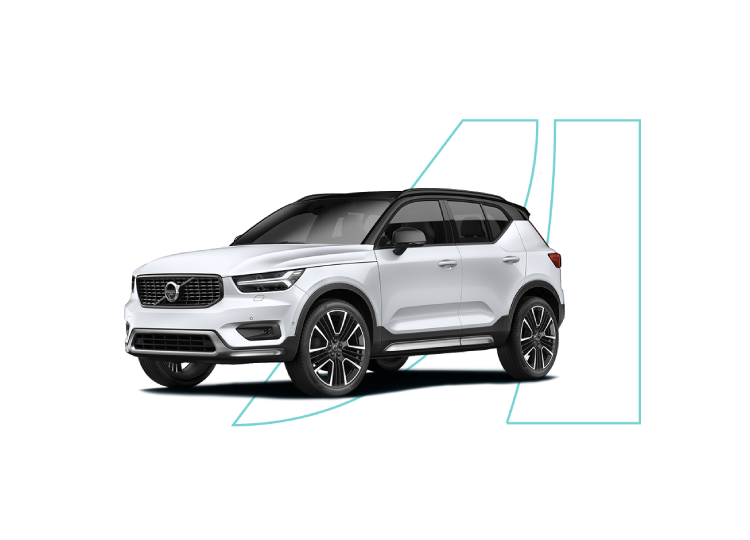
Wide range of fleet vehicles available for bidding each day.